
The Day Trust Quietly Left the Room
The supervision room was still except for the ceiling-fan hum and the scratch of my pen. Across from me, a coach replayed yesterday’s session. Mid-story, her client paused and asked, “Are these your words or a bot’s?” No anger, just the brittle ping of trust cracking, like a favorite mug finding its first chip.
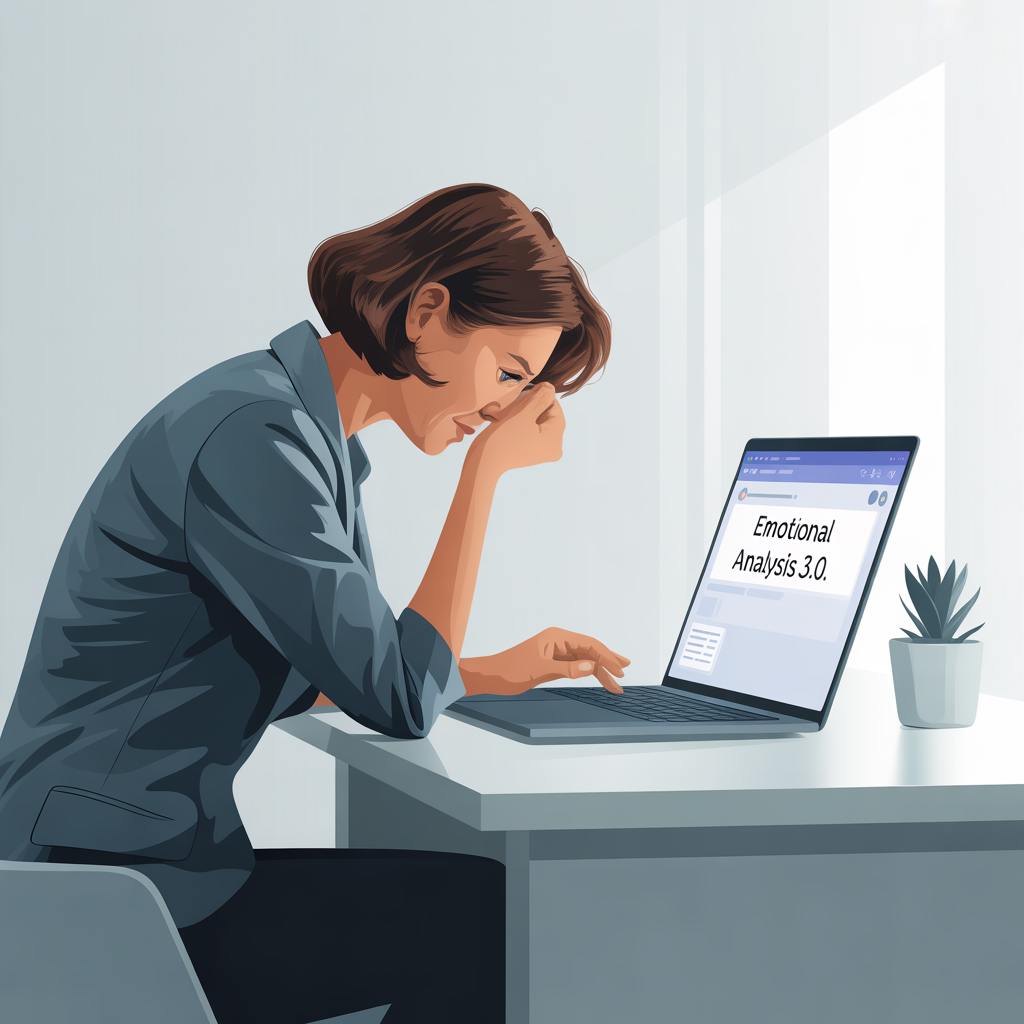
She had not opened ChatGPT, yet the suspicion alone fractured ten years of rapport. That brief exchange makes the larger problem clear: artificial intelligence does not need to be present to weaken confidence; the mere possibility is enough.
When Polished Sounds Plastic
Investigative reporting uncovered therapists pasting client stories into ChatGPT during live sessions (Clarke, 2025). Follow-up coverage showed the fallout: once clients suspect machinery behind empathy, every insight feels shrink-wrapped (Futurism, 2025; The Economic Times, 2025). Academic work echoes the concern; Stanford researchers warn that users perceive weaker empathy in AI-mediated care than in human care (Wells, 2025). Over-reliance dulls the very skills clients hire us for.
The Skill-Fade Spiral
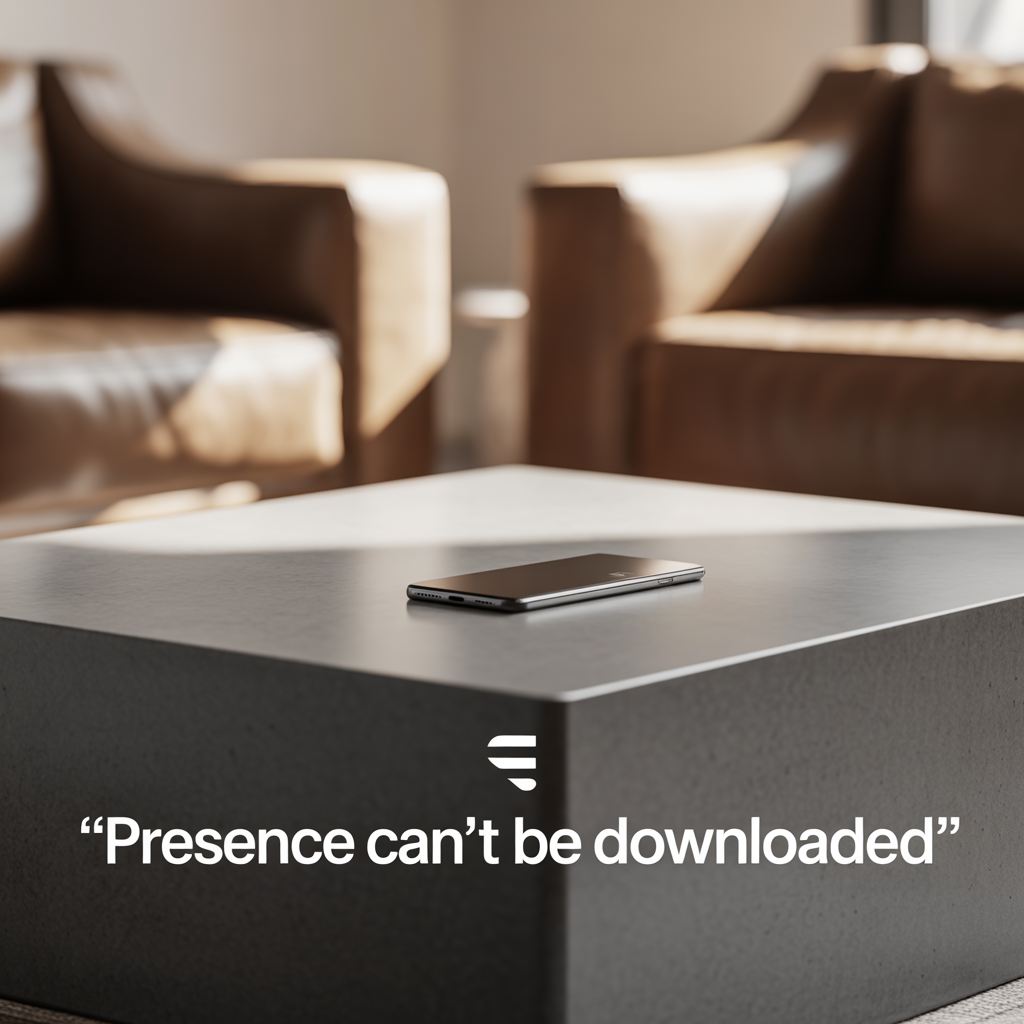
Small tells such as eyes flicking to a second screen, flawless paraphrases, the comfort word “certainly”, chip away at handcrafted listening. Presence, our only real currency, cannot be downloaded later. Self-doubt follows. Coaches start wondering whether a crisp reframe came from intuition or last night’s prompt-engineering blog. The question that might unlock change goes unasked.
Craft in the Age of Clicks
I sometimes suggest a simple experiment: run one session with only a notebook. Pen scratches slow the tempo; the client’s rhythm becomes visible in ink. In the next session, that analog detour ended with the client saying, “I felt you with me the whole time.” No browser tab earns that line. This choice is not old-school comfort for its own sake. It reminds us that coaching’s value lives in unedited humanity. Let artificial intelligence tidy transcripts after hours; during the hour that matters, any hint of outsourced presence cheapens the craft.
A Statistic That Stops the Scroll
A global survey of 48,000 respondents reported that only 46 percent feel comfortable trusting artificial-intelligence systems, despite rapid adoption (University of Melbourne & KPMG, 2025). More than half of our potential clients arrive with raised eyebrows.
A Future Worth Writing Ourselves Into
Tools will keep improving; that is their purpose. Ours is to keep mastery intact while shortcuts multiply. When a client cannot tell whether we are listening, the profession has not been disrupted, it has been hollowed out. Notice your own pauses next session. Are they natural or buffering? Feel how the room shifts when you risk a messy, human question instead of a polished, borrowed one. That subtle change may mark the moment trust returns.
References
Clarke, L. (2025, September 2). Therapists are secretly using ChatGPT. Clients are triggered. MIT Technology Review.
Futurism. (2025, September 4). Patients furious at therapists secretly using AI. Futurism.
The Economic Times. (2025, September 4). Patient confronts therapist over ChatGPT use in sessions, exposing a growing trust crisis in mental-health care.
Wells, S. (2025, June 10). New study warns of risks in AI mental-health tools. Stanford Report.
University of Melbourne & KPMG. (2025). Trust, attitudes and use of artificial intelligence: A global study.